Yes, LinkedIn can generate qualified B2B leads when you combine an optimised profile and company page, consistent value-led content, precise targeting through Lead Gen Forms and fast CRM follow-up. The one action to take today: complete your company page fully and set up a 24-hour follow-up rule for any new form fill. Measurement matters as much as setup, so track conversion rate and pipeline contribution from week one, not just clicks.
TL;DR:
- Completing and optimizing your LinkedIn company page can increase views by up to 30%, especially if you include a strong banner, logo, and a pinned case study post.
- Using Sales Navigator for audience building and Lead Gen Forms for frictionless capture can significantly improve conversion rates and pipeline contribution.
- Consistently engaging with targeted, multimedia content three to four times weekly enhances organic reach and warms audiences before outreach.
- Responding to inbound leads within 24 hours and wiring forms into your CRM boosts conversion chances and streamlines sales follow-up.
- Maintaining measurement of engagement, conversion, and pipeline metrics over vanity metrics ensures continuous improvement in lead quality and campaign ROI.
Table of Contents
- Quick checklist: the six setup items to complete this week
- Optimise your personal profile and company page for conversion
- Content strategy and formats that reliably drive engagement and inbound interest
- Targeting and lead capture: building audiences, choosing objectives and using Lead Gen Forms
- Outreach and follow-up: message templates, sequence design and timing
- Measure, integrate and comply: tracking lead quality, CRM wiring and UK data safeguards
- An agency’s view on running the LinkedIn funnel end to end
- Fylde Digital: services that convert LinkedIn activity into pipeline
- Sources
- FAQ
Quick checklist: the six setup items to complete this week
Before you spend a penny on ads, get the fundamentals right. These six steps take a working week to complete properly and form the base every later tactic depends on.
- Complete your personal profile and company page: strong headline, About section, banner image and a clear call to action.
- Create one gated asset, such as a short guide or benchmark, and attach it to a Lead Gen Form or landing page.
- Build two or three audience lists in Sales Navigator and mirror them in Campaign Manager.
- Draft a two-week content calendar mixing text posts, a document carousel and one short video.
- Connect Lead Gen Forms to your CRM and set a 24-hour follow-up rule for every new lead.
- Confirm your data handling steps meet UK GDPR and PECR requirements before you message or store any contact.
Optimise your personal profile and company page for conversion
Your profile and company page do the first bit of selling before a message is ever sent. A visitor lands on your page, decides in seconds whether you look credible, and either follows or leaves.
- Write a headline that states who you help and what outcome you deliver, not just your job title.
- Use the About section to speak directly to your ideal client’s problem, then close with a clear next step.
- Fill in every Company Page field: about text, website link, industry, specialities and a featured case study.
- Add a banner and logo that match your brand and make the page look active rather than abandoned.
- Ask staff to list the company on their own profiles and share company posts, since employee networks typically reach far more people than a page’s own follower count.
Complete company pages receive up to 30% more views than incomplete ones, and profiles with a photo attract noticeably more visitors. A well-optimised Company Page also supports organic discovery and gives you native CTAs that help turn a casual visitor into a lead.
Pro Tip: Pin your strongest case study post to the top of your company page so it’s the first thing a new visitor sees.
Content strategy and formats that reliably drive engagement and inbound interest
Content is what keeps your profile and page relevant between outreach campaigns, and it’s what warms an audience before you ever send a connection request.
- Short thought posts work well for building a point of view and starting conversations in the comments.
- Document carousels tend to earn more saves and clicks than plain text, since they reward scrolling and are easy to share internally.
- Native short video suits behind-the-scenes content, quick explainers and client soundbites.
- Case-study excerpts, broken into two or three posts, give you proof without one long post that nobody finishes reading.
Package your lead magnet to fit the platform: a one-page benchmark, a five-step checklist or a short guide works better than a lengthy report nobody downloads. Multimedia posts, including images, documents and video, generally lift engagement more than text alone, so mix formats rather than relying on one. Organic posting builds credibility and warms your audience; paid promotion then amplifies whichever posts are already performing, rather than replacing organic effort. A sensible weekly cadence is three to four organic posts, with one document post and one video, then repurposing your strongest post into an ad the following week.
Pro Tip: Turn your best-performing text post into a document carousel; it usually earns more saves the second time round.

Targeting and lead capture: building audiences, choosing objectives and using Lead Gen Forms
Getting the targeting and capture method right is where most B2B campaigns win or lose budget.
- Use Sales Navigator for list building and account-based approaches, filtering by seniority, job function and company size to find genuine decision-makers.
- Use Campaign Manager once you’re ready to pay for reach beyond your existing network or Sales Navigator lists.
- Choose Lead Gen Forms when you want frictionless capture, since they autofill profile data and typically convert at higher rates than sending traffic to an external page.
- Choose website conversions, using a dedicated landing page, when you need deeper qualification before a lead reaches sales.
- Keep Lead Gen Forms short: name, work email and company are often enough, with the value exchange stated clearly before someone submits.
- Exclude existing customers and current employees from cold campaigns to protect relevance and budget.
- Run simple A/B tests, one variable at a time, comparing two headlines or two audience segments rather than changing everything at once.
Outreach and follow-up: message templates, sequence design and timing
A connection request that mentions something specific about the person’s role or recent post performs far better than a generic pitch.
- Personalise the first line of every connection request; reference their content, their company’s recent news, or a shared connection.
- Follow a simple cadence: connect, then send a value-led follow-up two or three days later, then invite them to your asset or a short call.
- Watch your account health limits, since sending too many connection requests too quickly risks restrictions.
- Respond to any inbound reply or form fill within 24 hours; this single habit does more for conversion than almost any other tactic.
- Ask one or two qualifying questions early, such as team size or current tooling, to turn a friendly chat into a genuine next step.
Pro Tip: Set an automatic acknowledgement for every Lead Gen Form submission, then have a person follow up within the same working day.
Measure, integrate and comply: tracking lead quality, CRM wiring and UK data safeguards
Vanity metrics like impressions tell you little about pipeline. Track engagement rate, conversion rate, cost per lead and, most importantly, how many leads actually turn into pipeline once sales gets involved. Wire Lead Gen Forms and website conversions straight into your CRM so nothing sits in a spreadsheet waiting to be actioned, then use key metrics to decide what to report weekly.
- Set up an immediate auto-acknowledgement for every new lead, then a scoring rule that flags anyone who downloaded a high-intent asset.
- Build a short nurture stream for leads who aren’t ready to talk to sales yet.
- Review conversion rate and cost per lead weekly, and pipeline contribution monthly.
Operationally, the most reliable improvement in conversion comes from wiring Lead Gen Forms into CRM and automating an immediate handover to sales within 24 hours, according to LinkedIn B2B lead generation guidance. On the compliance side, UK organisations must still weigh UK GDPR and PECR obligations when messaging or storing LinkedIn-derived contacts: corporate contacts have different PECR treatment, but data-protection duties still apply, and public availability of a profile doesn’t remove those obligations.
An agency’s view on running the LinkedIn funnel end to end
Most businesses can run the checklist above themselves for a quarter and see whether the pilot earns its keep. Where it usually breaks down is consistency: the content calendar slips, forms sit unconnected to a CRM, and follow-up drifts past the 24-hour window that matters most. A workable agency approach is an audit of the current profile and page, a short content and paid pilot to find what resonates, then CRM wiring before scaling spend. Hire outside help when nobody in the business has the time to run outreach, ads and reporting every week; run it in-house when you have one person who can own the whole loop.
— tibor
Fylde Digital: services that convert LinkedIn activity into pipeline
If you’d rather have someone else run the content, campaigns and CRM wiring, that’s exactly the gap our social media management service fills, alongside SEO, PPC and content creation built to work together rather than in isolation.
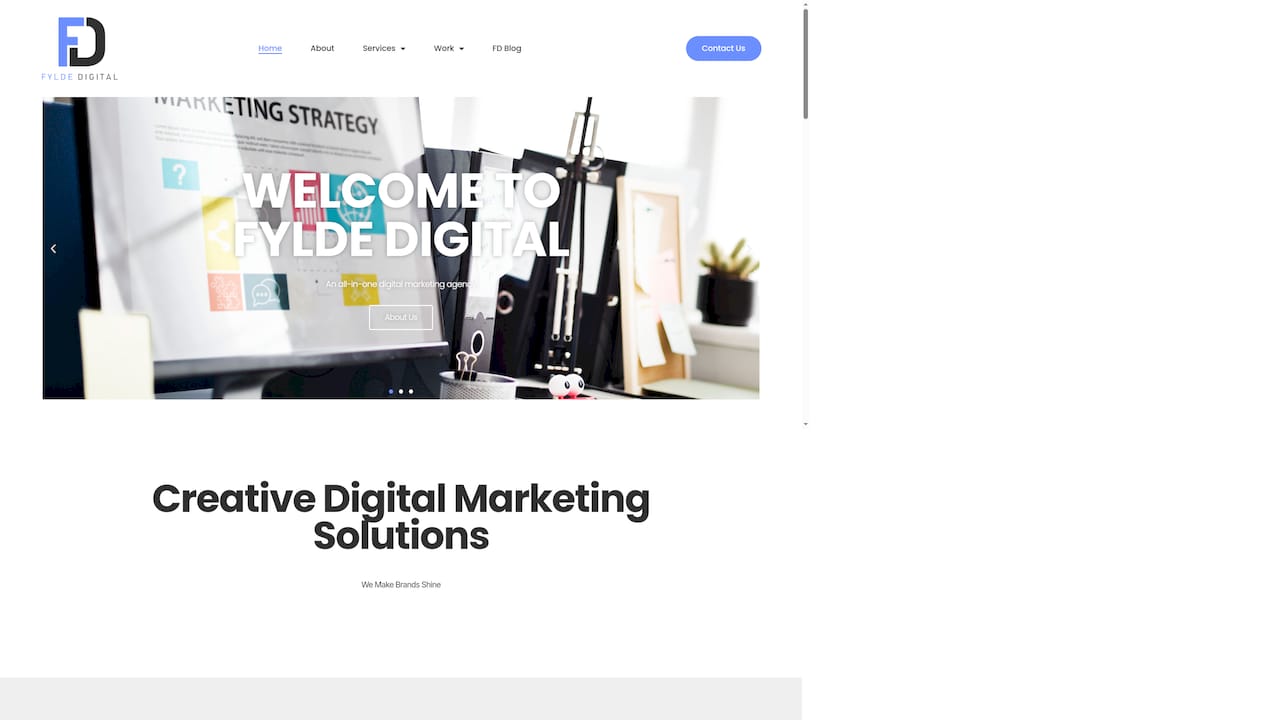
We build the landing pages and lead-focused campaigns that sit behind your LinkedIn activity, so a form fill has somewhere useful to go rather than a form sat idle in an inbox. Start with a free website and SEO review through Fylde Digital and we’ll tell you honestly where your current setup is losing leads.
Sources
- LinkedIn statistics that matter: engagement, demographics and more
- How to create a LinkedIn company page that attracts followers
- LinkedIn for business: The complete guide
- LinkedIn B2B lead generation best practices
FAQ
Is LinkedIn good for B2B marketing?
Yes, LinkedIn works well for B2B marketing because it puts you directly in front of decision-makers, and a well-optimised Company Page supports both organic discovery and paid promotion. Combining organic content with targeted ads tends to outperform relying on either alone.
How can LinkedIn be used for B2B lead generation?
Combine an optimised profile and company page with consistent content, precise Sales Navigator targeting and Lead Gen Forms wired to your CRM. Following up within 24 hours, as recommended in B2B lead generation best practices, does more for conversion than most other single changes.
What is the 4-1-1 rule on LinkedIn?
The 4-1-1 rule is a content-mix guideline: for every self-promotional post, share four pieces of useful third-party or original content and one soft promotional post. It’s a rough ratio rather than a fixed platform rule, meant to stop a feed feeling like a sales pitch.
What percentage of B2B leads come from LinkedIn?
There’s no single reliable published figure for the exact share of B2B leads that come specifically from LinkedIn, since this varies by industry and campaign mix. What’s well documented is that LinkedIn’s scale and professional audience make it one of the more effective channels for B2B lead generation when profile, content and targeting are all handled properly.