A branding strategy is a deliberate plan to shape how your audience perceives your business, its values, and its place in the market. The strongest examples of branding strategies share one quality: they translate abstract values into real, repeatable customer experiences. Brands like Apple, Patagonia, and Grammarly have each built distinct identities not through luck, but through consistent, purposeful choices. Understanding why branding matters for your business means recognising that the right strategy drives visibility, loyalty, and long-term growth.
1. What are value-based branding strategies?
Value-based positioning anchors your brand identity to measurable outcomes rather than visual aesthetics. This approach is particularly powerful in B2B markets, where buyers need to justify spending to stakeholders. The brand becomes synonymous with a result, not just a product.
HubSpot is the clearest example of this in practice. The company owns inbound marketing as a concept, having built an entire vocabulary around it through free tools, certifications, and content. Buyers associate HubSpot with a methodology, not just software. That association is worth far more than any logo redesign.

Grammarly’s freemium model is another textbook case. By embedding itself into daily writing habits at no cost, Grammarly created brand recall tied directly to problem-solving. Users encounter the brand every time they write an email or draft a document. That frequency of contact builds loyalty without a single paid advertisement.
B2B brands increasingly use content-driven engines such as podcasts to demonstrate authority and anchor value-based positioning. A well-produced podcast series positions your brand as the expert voice in a niche, building trust with prospects long before they consider buying.
- Define the specific outcome your product delivers (time saved, revenue gained, errors reduced).
- Build content around that outcome, not around your product features.
- Use free tools or resources to create daily contact with your audience.
- Measure brand recall alongside sales metrics to track positioning effectiveness.
Pro Tip: If you can name the problem your brand solves better than your competitors can, you already have the foundation of a value-based positioning strategy.
2. Benefit-based and quality-based branding compared
Benefit-based positioning focuses on what the product achieves for the customer rather than what it technically does. Quality-based positioning takes a different route, commanding premium pricing by demonstrating superior craftsmanship and performance. Both are legitimate strategies, but they attract different buyer mindsets.
Hallmark is the defining example of benefit-based branding. The brand does not sell greeting cards. It sells the feeling of marking a special occasion with care. Every campaign, every product line, and every retail display reinforces that emotional outcome. The product is almost incidental.
Rolex and Mercedes-Benz exemplify quality-based positioning. Both brands justify their pricing through consistent signals of exceptional craftsmanship, from materials to manufacturing heritage. Buyers are not just purchasing a watch or a car. They are purchasing proof of discernment.
| Strategy | Core focus | Pricing power | Best suited to |
|---|---|---|---|
| Benefit-based | Customer outcome | Moderate | Consumer goods, services |
| Quality-based | Craftsmanship and performance | High | Luxury, premium B2B |
The practical difference matters when you are choosing your own approach. Benefit-based branding works well when your audience is emotionally motivated. Quality-based branding works when your audience is willing to pay a premium and wants reassurance that the investment is justified.
- Benefit-based: lead with the transformation, not the specification.
- Quality-based: use materials, heritage, and process as proof points.
- Never mix the two in the same campaign. Conflicting signals confuse buyers.
3. Digital branding strategies with real examples
Digital branding uses internet channels and digital marketing to develop brand recognition, emotional connections, and long-term loyalty. What is online branding, at its core? It is the consistent expression of your brand identity across every digital touchpoint, from your website to your social media profiles to your email campaigns.
Nike is the most studied example of digital branding done well. Nike’s ‘Just Do It’ campaign uses inspirational storytelling with athlete endorsements across Instagram, YouTube, and its own app. The brand does not sell trainers on social media. It sells a belief system. Buyers who share that belief become advocates, not just customers.
Apple takes a different approach. Its digital branding relies on restraint: clean visuals, minimal copy, and a consistent aesthetic across every platform. The brand communicates quality and simplicity without ever saying either word directly. That consistency is what makes Apple’s online branding so recognisable at a glance.
Spotify builds community through personalised digital experiences. Its annual Wrapped campaign turns user data into shareable content, making each listener feel seen while simultaneously generating millions of organic social posts. That is online branding strategies working at scale, with almost no paid media required.
- Define your brand voice before you choose your channels.
- Build a content calendar that reinforces one core brand message per quarter.
- Use personalisation, such as Spotify’s Wrapped model, to create shareable moments.
- Measure engagement quality, not just reach. Comments and shares signal genuine connection.
- Audit your social media campaigns annually to ensure visual and tonal consistency.
Pro Tip: Your website is your most controllable digital branding asset. Every other platform can change its algorithm overnight. Your site cannot be taken away from you.
4. Competitor-based, problem-solution, and use-based positioning
These three positioning types form a practical brand positioning strategies list for businesses that need to carve out clear market space quickly. Each one works by defining your brand in relation to something external: a rival, a problem, or a specific occasion.
Chipotle’s ‘Food with Integrity’ campaign is the clearest example of competitor-based positioning. Rather than competing on speed or price, Chipotle positioned itself against the entire fast food industry on the basis of ingredient sourcing. The brand did not name rivals. It simply defined a standard that rivals could not meet. That distinction created a loyal customer base willing to pay more and wait longer.
Problem-solution positioning frames your brand as the direct answer to a specific customer pain point. The most effective versions of this strategy educate buyers about problems they had previously accepted as normal. When a brand names a problem clearly and then solves it, it creates demand that did not exist before.
Use-based positioning associates your brand with a specific occasion or context. Gatorade owns athletic rehydration. Hallmark owns special occasions. Neither brand needs to explain what it does. The context does the work for them. This approach is particularly effective for businesses that serve a recurring, predictable need.
- Competitor-based: define a standard your rivals cannot match, without naming them.
- Problem-solution: name the problem clearly before presenting your solution.
- Use-based: identify the one occasion or context where your brand is the obvious choice.
- Consistency across all channels reinforces whichever positioning type you choose.
For a deeper look at how these approaches fit together, the branding services guide from Fyldedigital covers how to match strategy type to business context.
Key takeaways
The most effective branding strategies translate a clear, specific value into every customer touchpoint, from your website to your social media presence to your product experience.
| Point | Details |
|---|---|
| Value-based positioning | Anchor your brand to measurable outcomes, not aesthetics, to build lasting B2B authority. |
| Benefit vs quality | Choose benefit-based for emotional buyers and quality-based for premium, considered purchases. |
| Digital branding consistency | Maintain one brand voice and visual identity across all online channels for maximum recognition. |
| Competitor-based positioning | Define a standard rivals cannot meet rather than competing on price or speed alone. |
| Problem-solution framing | Name the problem your audience accepts as normal, then position your brand as the solution. |
What I have learned about choosing the right branding strategy
Working with businesses across the Fylde Coast and beyond, I have seen the same mistake repeated: owners choose a branding strategy based on what looks impressive rather than what fits their actual market position. A small independent retailer does not need Apple’s minimalist aesthetic. It needs a strategy that makes its local community feel genuinely understood.
The brands that grow consistently are the ones that pick one positioning type and commit to it. Chipotle did not hedge between quality and price. HubSpot did not try to be everything to every marketer. They chose a lane and built everything around it. That clarity is what makes a brand memorable rather than merely visible.
Digital analytics have made it easier than ever to test and adjust your positioning. You can run two versions of a campaign, measure which message resonates, and refine your approach within weeks. Brands that treat their positioning as a fixed statement miss this opportunity entirely.
The trend I find most significant right now is the rise of sustainability-focused branding. Patagonia built an entire identity around environmental responsibility, and that identity now drives purchasing decisions for a generation of buyers who distrust traditional advertising. You do not need Patagonia’s budget to apply the same principle. You need a genuine commitment and the discipline to communicate it consistently.
My honest advice: start with the essential branding elements before you choose a strategy type. If you do not know your core values, your tone of voice, and your target customer in precise terms, no positioning strategy will hold together for long.
— tibor
How Fyldedigital helps you put branding strategy into practice
A branding strategy only creates results when it is expressed through a well-built online presence. Your website is the foundation of everything: it is where your positioning, your visual identity, and your customer experience either come together or fall apart.
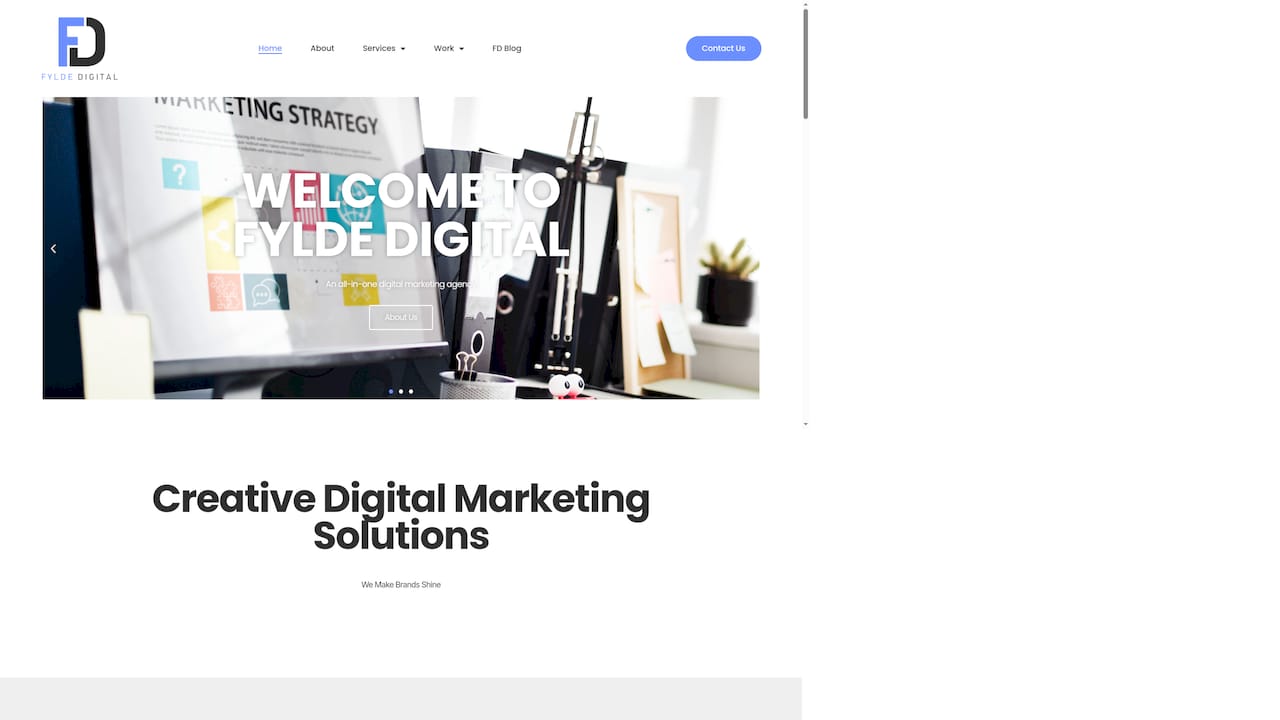
Fyldedigital’s web design services in Blackpool are built around exactly this challenge. The team creates conversion-focused websites that reflect your brand positioning clearly, load quickly, and perform well in search. Whether you are applying a value-based approach or repositioning against competitors, a professionally designed site gives your strategy the platform it needs to work. Contact Fyldedigital for a free website review and see where your current online presence is leaving opportunities on the table.
FAQ
What are the main types of branding strategies?
The main types include value-based, benefit-based, quality-based, competitor-based, problem-solution, and use-based positioning. Each type shapes how customers perceive your brand relative to their needs or the competition.
What is online branding and why does it matter?
Online branding is the consistent expression of your brand identity across digital channels, including your website, social media, and email. It builds recognition and loyalty by ensuring customers encounter the same message and visual identity wherever they find you.
What is rebranding online?
Rebranding online means updating your digital presence, including your website, social profiles, and content, to reflect a new brand identity or positioning. It is most effective when every channel is updated simultaneously to avoid mixed signals.
How do I choose the right branding strategy for my business?
Start by identifying the one outcome your product delivers better than anyone else, then choose the positioning type that communicates that outcome most clearly to your specific audience. Reviewing a branding guide for startups can help you structure that decision.
Which brands are the best examples of digital branding strategies?
Nike, Apple, and Spotify are consistently cited as leading examples. Nike uses emotional storytelling across Instagram and YouTube, Apple relies on visual consistency, and Spotify creates personalised shareable experiences through campaigns like its annual Wrapped feature.