Social media marketing tips are actionable strategies that help small and medium-sized businesses increase engagement, build brand presence, and convert followers into paying customers. 73% of internet users aged 16–64 use social media to research brands before purchasing. That single fact makes social media one of the most direct routes to new business available to you. The industry term for this discipline is social media marketing (SMM), and the best practices within it are no longer optional. They are the difference between a brand that grows and one that stagnates.
1. What are the best social media marketing tips for platform-specific content?
Each platform favours a different content format, and treating them as identical is the most common mistake small business owners make. TikTok rewards short, personality-driven video. LinkedIn performs best with carousel posts, thought leadership articles, and data-led commentary. Instagram prioritises visual storytelling through Reels and Stories. YouTube Shorts captures search-driven audiences looking for quick answers.

The practical approach is to build one core idea and then rebuild the hook and visual format for each platform. A case study you write for LinkedIn becomes a 30-second talking-head video for TikTok and a before-and-after carousel for Instagram. You are not creating more content. You are getting more reach from the same thinking.
Platforms like TikTok and Instagram are increasingly used as search engines, so keyword-rich captions and profiles matter beyond hashtags. Treat your caption as a mini SEO text. Include the words your customers actually type when they search for what you do.
- Match format to platform: video for TikTok and Reels, carousels for LinkedIn, static images for Pinterest.
- Write captions with search intent in mind, not just engagement bait.
- Repurpose one idea across three platforms before creating new content.
- Review platform-specific analytics monthly to see which formats drive the most profile visits and link clicks.
Pro Tip: Check your platform analytics for “saves” and “shares” rather than likes. Those two metrics signal content your audience finds genuinely useful, which is the content worth repeating.
2. How to set and manage your paid social media advertising budget
Paid social advertising does not require a large budget to generate useful data. Small businesses testing paid social should start with daily budgets of £4–£8 per platform over a three-month period. That window gives you enough data to identify which channels actually produce enquiries, rather than guessing.
The 70/20/10 budget allocation rule is the most reliable framework for small business ad spend. Put 70% of your budget behind proven tactics that already convert. Allocate 20% to promising new formats you are testing. Reserve 10% for genuine experimentation. This structure prevents you from abandoning a strategy before it has had time to work.
- Track return on ad spend (ROAS) for every campaign, not just cost per click.
- Align your paid ads with your organic content pillars so both reinforce the same message.
- Test one variable at a time: audience, creative, or placement. Never all three simultaneously.
- Review spend weekly during the first month, then monthly once patterns emerge.
Pro Tip: Run your paid ads to the same topic your organic posts cover that week. The repetition builds familiarity, and familiarity builds trust faster than a single ad ever will.
3. Why audience research and personalisation drive revenue
Audience research is not a one-time task. It is the ongoing process of understanding what your customers need, how they describe their problems, and what language they use when searching for solutions. Disciplined personalisation generates 40% more revenue on average compared to generic messaging. That gap is significant for any business operating on tight margins.
Social listening is the practice of monitoring conversations about your brand, your competitors’ categories, and your industry across social platforms. It gives you real-time market intelligence without running a single survey. When you hear customers repeatedly use a specific phrase, that phrase belongs in your captions, your ads, and your website copy.
- Define your primary audience segment by job role, pain point, and platform preference.
- Use platform analytics to identify which posts generate the most saves, shares, and direct messages.
- Map your content to the customer journey: awareness posts for cold audiences, proof posts for warm audiences, offer posts for those ready to buy.
- Personalise offers and calls to action based on where someone is in that journey.
- Revisit your audience assumptions every 90 days as behaviour and platform algorithms shift.
Avoid the one-size-fits-all approach. A post written for a business owner who has never heard of you needs a completely different tone and hook than a post written for someone who already follows you and trusts your expertise.
4. How to build a social media system that compounds growth
Social media marketing works best as a compounding system, not a series of isolated posts. Treating it as a connected system using 90-day loop cycles produces measurably better results than posting reactively. Each 90-day cycle covers four stages: research, content pillars, platform execution, and analytics review. At the end of each cycle, you carry forward what worked and replace what did not.
The loop marketing framework keeps your efforts focused. You are not chasing every new trend. You are building momentum on a small number of themes that your audience already responds to. That consistency is what builds brand recognition over time.
| Stage | What you do | Outcome |
|---|---|---|
| Research | Audit audience data and social listening | Identify content gaps and language |
| Content pillars | Define 3–5 core themes for the quarter | Consistent, recognisable brand voice |
| Platform execution | Create and schedule platform-specific content | Consistent posting without burnout |
| Analytics review | Measure engagement, reach, and conversions | Data to inform the next 90-day cycle |
Balance matters within this system. Content creation, community engagement, and paid amplification each play a role. Businesses that only create content without engaging their audience miss the relationship-building that turns followers into customers. Those that only engage without creating miss the reach that attracts new audiences.
Pro Tip: Block two hours at the end of each quarter to review your analytics before planning the next cycle. The patterns you find in that session are worth more than any trend report.
5. Which metrics actually matter for social media ROI?
Vanity metrics like total likes and follower counts tell you very little about business performance. The metrics that matter are engagement rate, click-through rate, conversion rate, and return on ad spend. These four connect your social media activity to actual business outcomes: enquiries, leads, and sales.
A 15% improvement in a single funnel stage compounds significantly, reducing your cost per lead and increasing overall ROI. That means even small improvements to your landing page, your call to action, or your ad creative have a measurable knock-on effect across your entire marketing spend.
Successful brands use behavioural analytics and search intent data to make decisions rather than relying on instinct. Most social platforms provide this data natively. You do not need expensive third-party tools to start. You need the discipline to check the data regularly and act on what it tells you.
- Set shared KPIs before a campaign launches, not after. Agree on what success looks like.
- Review engagement rate per post, not total reach. A smaller engaged audience converts better than a large passive one.
- Connect your social media data to your CRM or enquiry tracking where possible.
- Use social media scheduling tools to maintain consistency and free up time for analysis.
- Treat social media management as an ongoing cycle of measurement and improvement, not a set-and-forget task.
Aligning social media activity with 90-day business objectives prevents the common trap of optimising for likes instead of leads. Every metric you track should connect back to a business goal you have already defined.
Key takeaways
Effective social media marketing for small businesses requires platform-specific content, disciplined budget allocation, audience personalisation, and consistent measurement tied to real business goals.
| Point | Details |
|---|---|
| Platform-specific content | Rebuild each idea for the format each platform favours rather than duplicating posts. |
| Budget discipline | Use the 70/20/10 rule and test with small daily budgets before scaling spend. |
| Personalisation drives revenue | Tailored messaging generates significantly more revenue than generic content. |
| Compounding system | Run 90-day cycles of research, creation, execution, and review for sustained growth. |
| Measure what matters | Track engagement rate, click-through, conversions, and ROAS. Ignore vanity metrics. |
What I have actually learned about social media for small businesses
The most common mistake I see small business owners make is treating social media as a broadcast channel. They post, they wait, and they wonder why nothing happens. Social media is a conversation platform first. The businesses that grow fastest are the ones that reply to every comment, ask questions in their captions, and treat their followers as people rather than an audience.
The second mistake is spreading budget too thin across every platform at once. Pick two platforms where your customers already spend time. Do those well for 90 days before adding a third. Trying to be everywhere simultaneously means being forgettable everywhere.
Data is the part most business owners skip because it feels technical. It is not. Your platform analytics tell you, in plain language, which posts your audience responded to. Reading that data once a month and adjusting your approach is the single highest-return habit you can build. The businesses I see grow consistently are not the ones with the biggest budgets. They are the ones that pay attention to what the numbers say and act on it without overthinking.
Start simple. Post consistently. Measure honestly. Scale what works.
— tibor
How Fyldedigital supports your social media and web presence
Fyldedigital works with small and medium-sized businesses across the Fylde Coast and beyond to build social media strategies that connect directly to business goals. Whether you need help planning content pillars, managing paid campaigns, or ensuring your website converts the traffic your social media generates, the team brings practical expertise without the agency jargon.
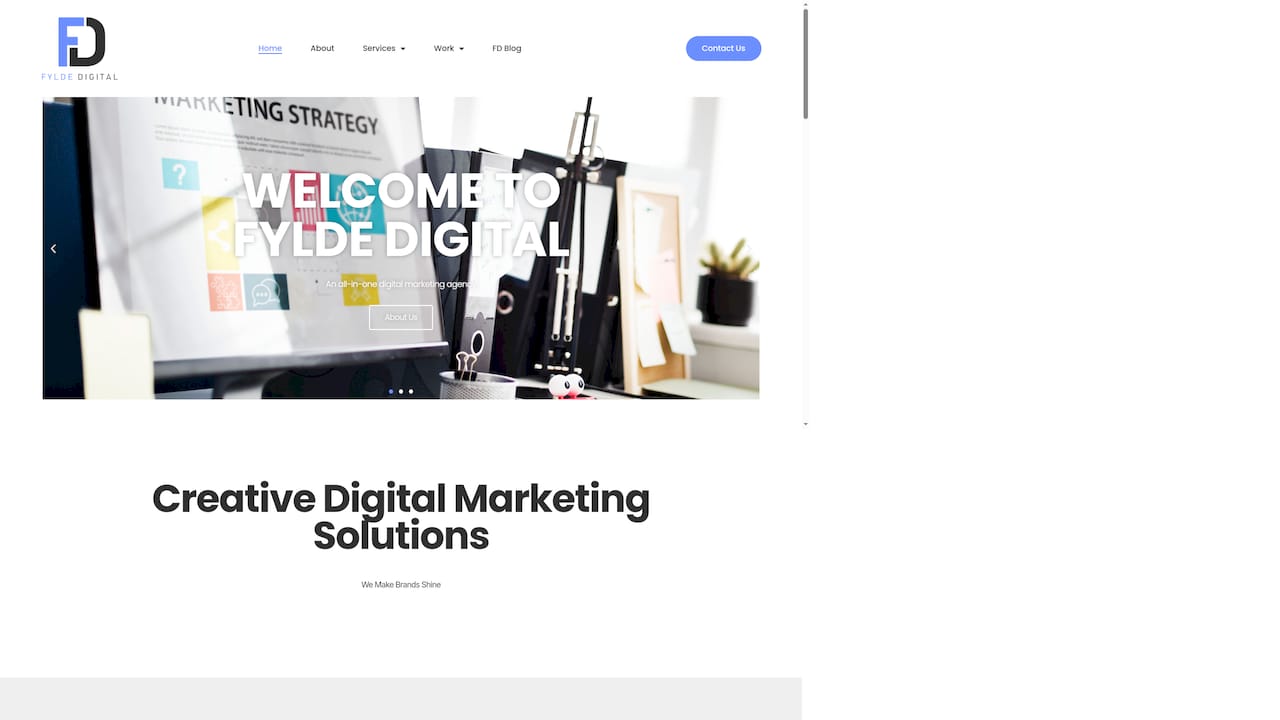
A strong social media presence only delivers results when it points to a website built to convert. Fyldedigital’s web design in Blackpool service creates conversion-focused websites tailored to the needs of growing businesses. If you want your social media efforts to produce real enquiries, the website behind them needs to be ready to do its job.
FAQ
What are the most effective social media marketing tips for beginners?
Start by choosing two platforms where your customers are already active, post consistently using platform-appropriate formats, and review your analytics monthly. Consistency and measurement matter more than volume.
How much should a small business spend on social media advertising?
Daily test budgets of £4–£8 per platform over a three-month period give you enough data to identify which channels produce results before committing larger spend.
How does personalisation improve social media marketing results?
Personalised messaging generates 40% more revenue on average compared to generic content. Tailoring posts to specific audience segments and journey stages significantly improves conversion rates.
What metrics should small businesses track on social media?
Focus on engagement rate, click-through rate, conversion rate, and return on ad spend. These metrics connect your social activity to business outcomes such as leads and sales, unlike follower counts or total likes.
How often should I review my social media strategy?
A 90-day review cycle is the recommended standard. At the end of each quarter, audit your analytics, carry forward what worked, and replace what did not before planning the next period.