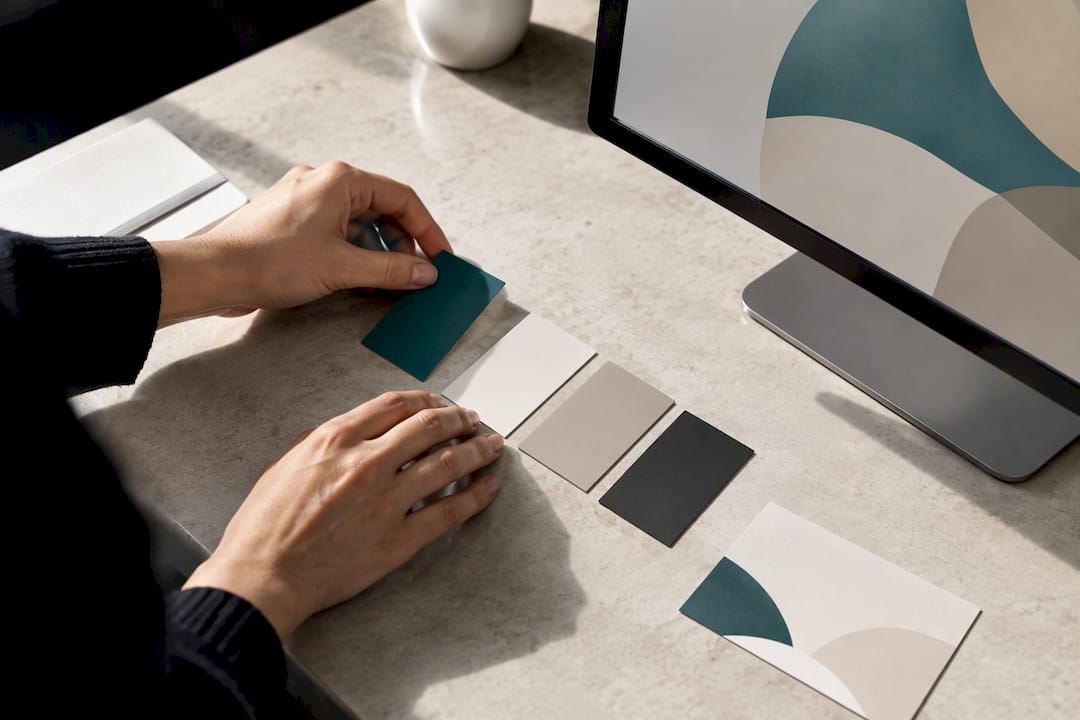
A prospective customer can form an opinion of your business before they read a single service page. They notice whether your logo looks dated, whether the colours feel consistent, whether the wording sounds confident, and whether the website makes it easy to take the next step. A website branding package brings those details together, so your online presence looks like one credible business rather than a collection of disconnected marketing materials.
For businesses across Blackpool, Lancashire and the Fylde Coast, that consistency matters. Local customers often compare several providers quickly. If your brand feels unclear or your site is difficult to use, a competitor with a sharper presentation can win the enquiry, even when your service is better.
What is a website branding package?
A website branding package combines the visual and messaging foundations of your brand with the design and build of your website. It gives your business a defined look, voice and structure before individual pages, adverts or social posts start heading in different directions.
It is not simply a logo added to a website template. The strongest packages consider how your brand should work in real situations: on a mobile screen, in Google search results, on a van graphic, in a printed leaflet and on a social media post. The aim is recognition, trust and action.
The exact scope depends on where your business is today. A new business may need its brand created from the ground up. An established company may already have a logo but need clearer brand rules, improved messaging and a website that finally reflects the quality of its work.
Why branding and web design should be planned together
Treating branding and web design as separate projects often creates unnecessary problems. A designer may produce an attractive logo without knowing how it will behave in a website header. A website may be built around colours, typefaces and imagery that do not carry through to your brochures, paid advertising or social channels.
Planning them together creates a more commercially effective result. The website has a clear visual hierarchy from day one, while the brand is shaped around the places customers will actually see it. Your calls to action feel part of the experience, your service pages are easier to scan, and your marketing becomes more recognisable over time.
This also saves time when your business grows. Instead of briefing a new supplier from scratch for every campaign, you have a clear foundation to build from. That is particularly valuable for businesses using SEO, PPC, social media and print alongside their website.
What should a website branding package include?
A useful package should be tailored to your goals, audience and market position. There is no value in paying for brand assets you will never use. However, most businesses need the following elements to make their digital presence look consistent and perform with purpose.
Brand discovery and positioning
Before choosing colours or layouts, your agency should understand what makes your business worth choosing. That means looking at your services, ideal customers, competitors, current reputation and commercial goals.
A local trades business, for example, may need to communicate reliability, speed and clear pricing. A health and fitness brand may need to feel motivating, expert and welcoming. Both may want more enquiries, but their visual language and tone should not look the same.
This stage gives the project direction. It prevents subjective feedback such as make it more exciting from taking over, because design decisions can be measured against a clear positioning.
Logo and visual identity
Your logo needs to work far beyond a single desktop website banner. A well-considered identity includes suitable logo versions for different spaces, a defined colour palette, typeface choices and supporting graphic elements. These might include icons, patterns, shapes or image treatments that make your materials recognisable without relying on the logo every time.
The priority is usability, not decoration. A complicated logo can lose detail on mobile devices. Too many colours can make a website feel cluttered. Trend-led design can date quickly. The right approach is distinctive enough to stand out, but flexible enough to support marketing activity for years.
Brand messaging and tone of voice
Visual branding gets attention, but words turn attention into enquiries. Your package should establish how the business speaks, what it promises and which messages deserve the most prominence.
This does not mean forcing every page into polished corporate language. It means being consistent. If your business is friendly and practical, customers should hear that in your homepage headline, service descriptions, email campaigns and social captions. Clear messaging also gives your sales team a stronger starting point when speaking to prospects.
Website strategy and page structure
A website should guide visitors towards an outcome, whether that is requesting a quote, booking an appointment, calling your team or buying a product. That requires more than attractive page designs.
Website strategy looks at the pages you need, the questions customers ask before getting in touch, and the journey they take from search result to enquiry. A service-led business may need focused service pages, case studies, testimonials and prominent contact options. An ecommerce site will need product categories, filtering, delivery information and a checkout journey that removes doubt.
Good structure supports search visibility too. Search engines need clear page topics and logical navigation, while customers need quick access to the information that affects their decision.
Bespoke website design and build
With the brand direction and website structure in place, the design can do its job. Each page should look polished while making important content easy to find. On a well-built site, headings are clear, buttons stand out, forms are straightforward and the mobile experience is treated as essential rather than an afterthought.
Bespoke does not have to mean overcomplicated. For many small and medium-sized businesses, a clean, fast website with focused pages will outperform a site packed with effects, moving elements and unnecessary features. The right level of functionality depends on your customer journey and what your team needs to manage after launch.
The commercial value goes beyond appearance
A stronger identity can make a business look more established, but the real benefit is the confidence it creates at key decision points. Customers are more likely to enquire when they can quickly understand what you do, who you help and why they should trust you.
Consistency also improves the return from other marketing. If someone clicks a paid advert or sees a social post, they should arrive on a website that delivers the same promise and visual quality. That continuity reduces friction. Your marketing spend is no longer sending people to a page that feels unrelated to the advert that caught their attention.
For companies investing in organic search, branding helps in a less obvious way too. SEO can bring more visitors to a site, but clear design, useful content and credible signals help those visitors stay, explore and convert. Traffic matters, but traffic that leaves immediately does not grow the business.
Choosing the right level of support
Not every business needs a full rebrand. If you have a recognisable logo, loyal customers and a visual identity that still suits your market, a brand refresh and website redesign may be the sensible route. You can retain what people already know while improving the parts that have become inconsistent or dated.
A full package is more appropriate when your business has changed direction, merged services, moved into a more competitive market, or is struggling to explain its value. It can also be the right move when your current website, social media and printed materials all look as though they belong to different companies.
Be cautious of low-cost packages that promise a logo, website and every marketing asset imaginable with little discovery or strategic input. They may provide quick output, but they rarely address the reason your brand is failing to connect. Good branding requires decisions, not just files.
A joined-up approach makes the difference
Your brand should not stop at the point your website goes live. It should give every future campaign a clearer starting point, from a local flyer to a Google Ads landing page. That is where an integrated agency approach earns its value: creative work, website performance and ongoing marketing all pull in the same direction.
Fylde Digital helps businesses turn a fragmented online presence into a brand that looks credible, communicates clearly and supports measurable growth. The most effective next step is not choosing a colour palette. It is deciding what customers should feel, understand and do when they encounter your business for the first time.